Insight · Environment & Biodiversity
Beyond Mine Rehabilitation: How Can We Measure Ecological Recovery?
Restoring land is not the same as restoring an ecosystem — a proposed Sri Lanka pilot uses passive acoustic monitoring to test whether nature is actually returning.
By Gem Trail Lab · · 6 min read
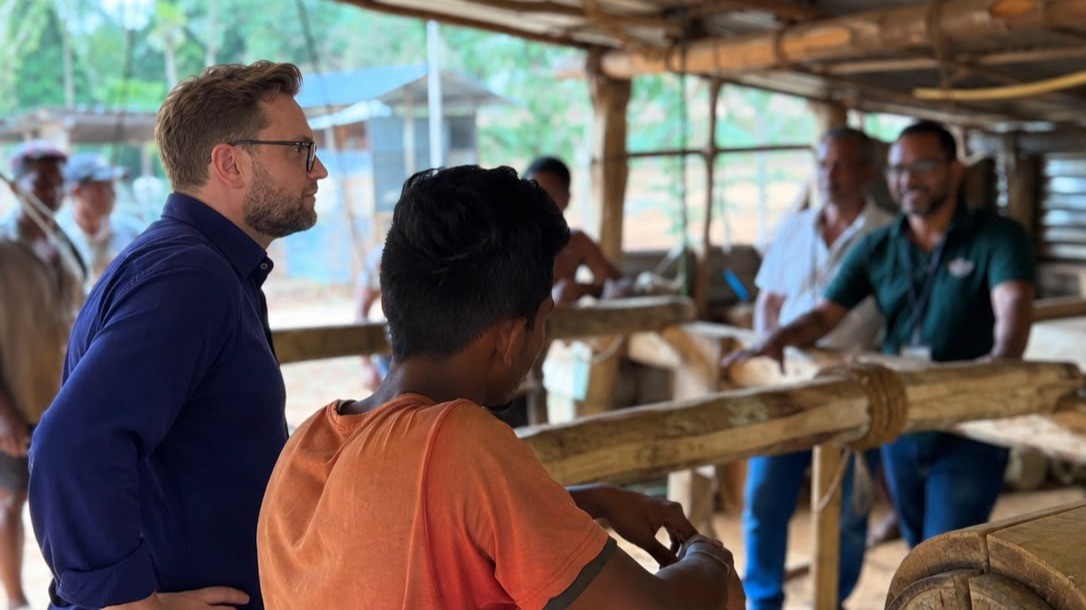
Restoring a mining site is one thing. Understanding whether nature has truly recovered is another.
Across the world, mining activities alter landscapes, vegetation, soils and water systems. In artisanal and small-scale gemstone mining, these impacts can be highly localised but still significant, particularly in environmentally sensitive areas.
Mine rehabilitation is therefore an important component of responsible mining. Yet assessing its success requires more than observing whether vegetation has returned or whether a former mining pit has been filled.
A fundamental question remains: how do we know whether an ecosystem is recovering?
Rehabilitation Is Not the Same as Ecological Recovery
Mine rehabilitation generally involves measures to stabilise disturbed land, manage erosion, restore soil conditions and establish vegetation.
These interventions can reduce environmental risks and create conditions for ecological recovery.
However, a rehabilitated landscape does not necessarily function like the ecosystem that existed before mining.
A site may appear green while supporting a relatively limited range of native species. Replanted vegetation may provide ground cover without restoring the ecological relationships between plants, insects, birds, amphibians and other organisms.
For this reason, evaluating rehabilitation solely through visual observations or vegetation cover can provide an incomplete picture.
Ecological recovery requires examining how biological communities and ecosystem functions change over time.
Biodiversity as an Indicator of Recovery
Biodiversity indicators can help researchers assess whether environmental conditions are improving.
Birds and amphibians are particularly interesting groups because their presence, abundance and community composition can respond to changes in vegetation, habitat structure, water availability and disturbance.
Different species have different ecological requirements. Some tolerate highly disturbed landscapes, while others depend on more complex forest habitats or specific environmental conditions.
Monitoring changes in these communities can therefore provide information about the ecological condition of a site.
However, biodiversity responses are not always straightforward.
Species may respond differently to seasonal changes, rainfall, habitat connectivity and surrounding land use. A higher number of recorded species does not automatically indicate a healthier ecosystem.
Reliable assessments therefore require consistent monitoring methods, suitable reference sites and careful interpretation of ecological data.
Listening to the Landscape
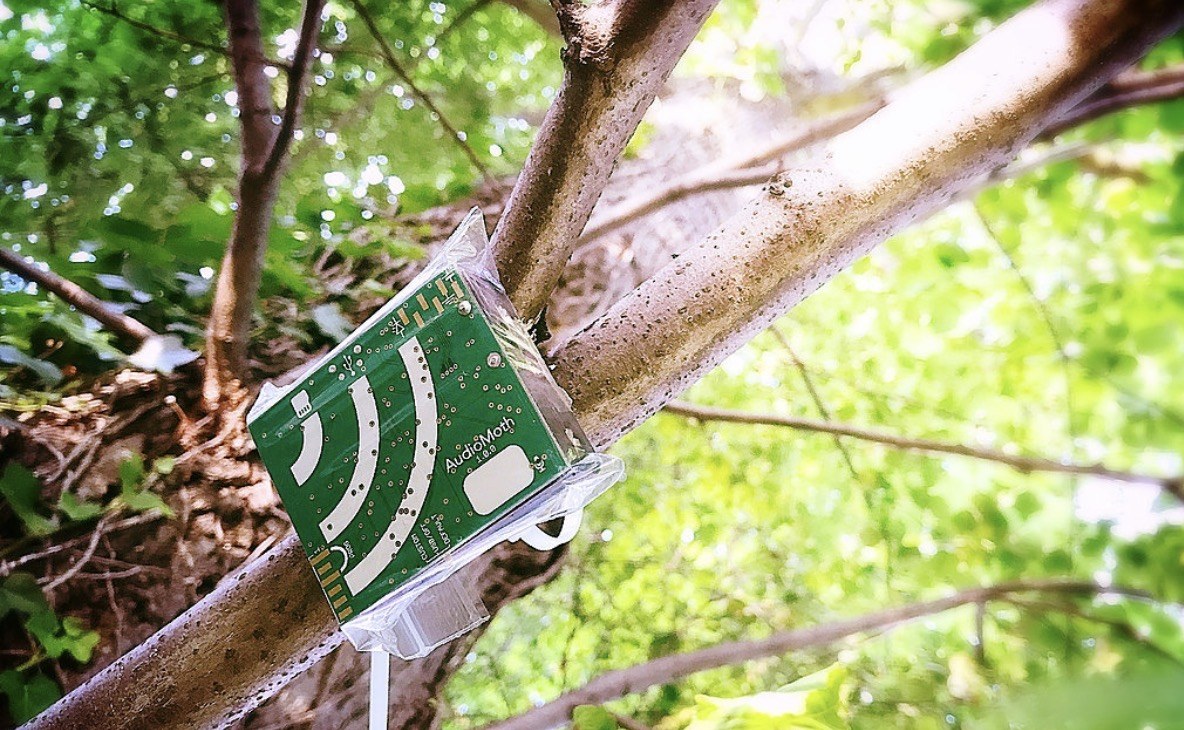
One emerging approach is passive acoustic monitoring.
Rather than relying exclusively on researchers conducting repeated field observations, small autonomous recording devices can capture environmental sounds at selected locations over extended periods.
Bird songs, frog calls and other biological sounds can provide information about the presence and activity of vocal species.
Artificial intelligence can help process large volumes of recordings by identifying likely species vocalisations, although expert validation remains essential to ensure reliable results.
This approach offers several advantages for monitoring landscapes affected by mining.
Recording devices can operate at multiple locations using standardised schedules, reducing some of the logistical challenges associated with repeated field surveys. Acoustic data can also be archived, allowing researchers to revisit recordings as identification methods improve.
Nevertheless, acoustic monitoring has limitations. Not all species vocalise frequently, and detection is influenced by weather, background noise, recording equipment and the time of day.
It should therefore complement, rather than replace, other ecological monitoring methods.
A Research Opportunity in Sri Lanka
Sri Lanka's wet zone provides an important setting for studying biodiversity responses to land-use change.
Its landscapes include tropical forests, agricultural areas, settlements and locations affected by artisanal gemstone mining.
Understanding how biodiversity differs across these environments could help researchers evaluate the effects of disturbance and the potential for recovery.
The proposed Listening to Biodiversity initiative brings together Gem Trail Lab, the University of Colombo and conservation partners to explore AI-supported passive acoustic monitoring in Sri Lanka's wet-zone landscapes.
The proposed 24-month pilot would use a network of recording stations across relatively undisturbed reference sites, agricultural land, rehabilitated or closed mining sites and active gemstone mining areas.
By comparing bird and frog vocalisations across these environments, the research aims to investigate how biological communities respond to different levels and types of disturbance.
The pilot is intended to develop and test a monitoring approach, generate an initial evidence base and inform the design of longer-term research.
It is not yet evidence that ecological recovery has occurred at the selected sites.
From Environmental Commitments to Measurable Outcomes
For the gemstone industry, biodiversity monitoring could eventually contribute to a more evidence-based understanding of responsible mining.
Rather than assessing environmental performance solely through whether rehabilitation activities have been completed, future approaches could also examine measurable changes in ecological conditions.
This distinction matters.
Planting trees, restoring soil and rehabilitating former mining areas are important activities. But their long-term environmental value depends on whether they support functioning ecosystems.
Scientific monitoring can help identify which rehabilitation approaches work, where further interventions are needed and how recovery differs between landscapes.
It may also support the development of more meaningful environmental indicators for responsible gemstone mining.
Looking Beyond the Mine
Ecological recovery rarely follows a simple or predictable path.
It depends on local environmental conditions, the severity of disturbance, surrounding habitats and the time available for natural regeneration.
For this reason, responsible mining should consider not only what happens during extraction, but also how landscapes are managed and monitored after mining ends.
The future of mine rehabilitation should not be measured only by how a landscape looks, but also by how its ecosystems function and recover.
By combining ecological research, affordable monitoring technologies and collaboration with local communities, the gemstone industry has an opportunity to move towards more measurable and scientifically informed environmental responsibility.