Insight · Responsible Sourcing
For Years, We Wrote "Ethically Sourced." The Phrase Was Doing the Work We Should Have Been Doing.
For years, we wrote "ethically sourced," "responsibly sourced," "sustainable," "fair," "green" and let those words do the work. They shouldn't have.
By Manuel Kreitmeir · · 5 min read
For years, we wrote "ethically sourced," "responsibly sourced," "sustainable," "fair," "green" and let those words do the work. They shouldn't have.
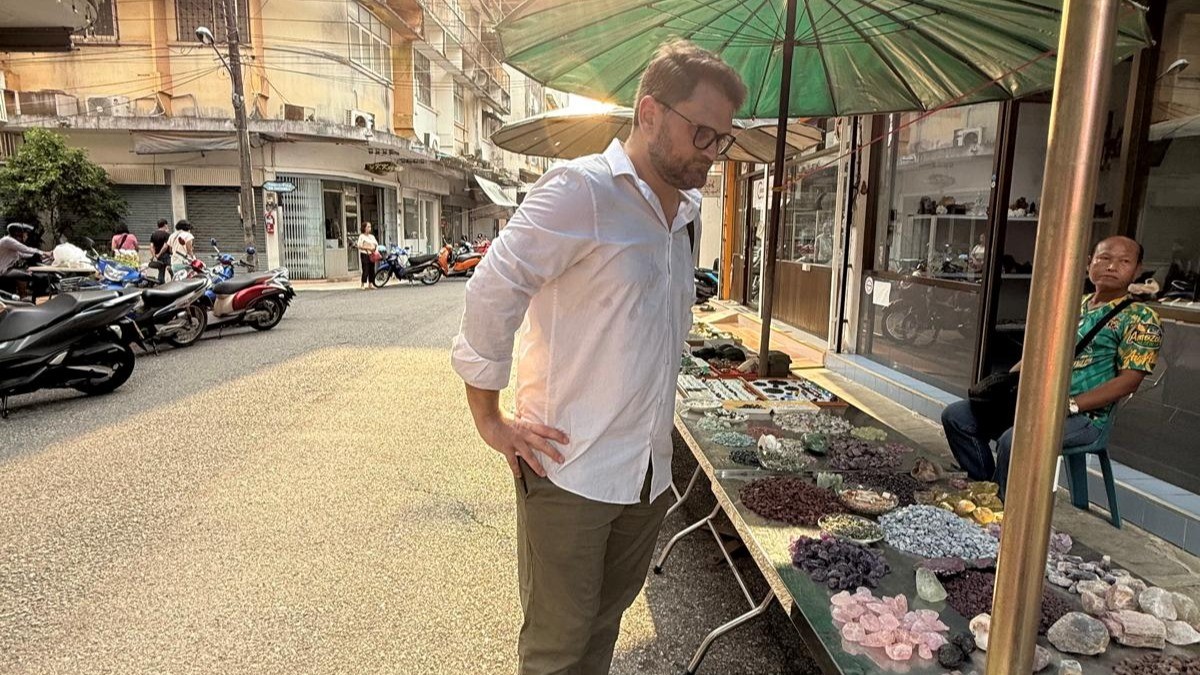
Looking back at years in sustainability and social entrepreneurship, I see language I would use differently today. I am fairly new in the gemstone and jewellery industry, but I remember one thing that caught my eye immediately were omnipresent claims such as "Ethically sourced Ceylon sapphires", "Responsibly mined", "Sustainable gemstones." Used as if they explained themselves. They didn't. They were shortcuts. Comfortable ones, because verifying them is hard work.
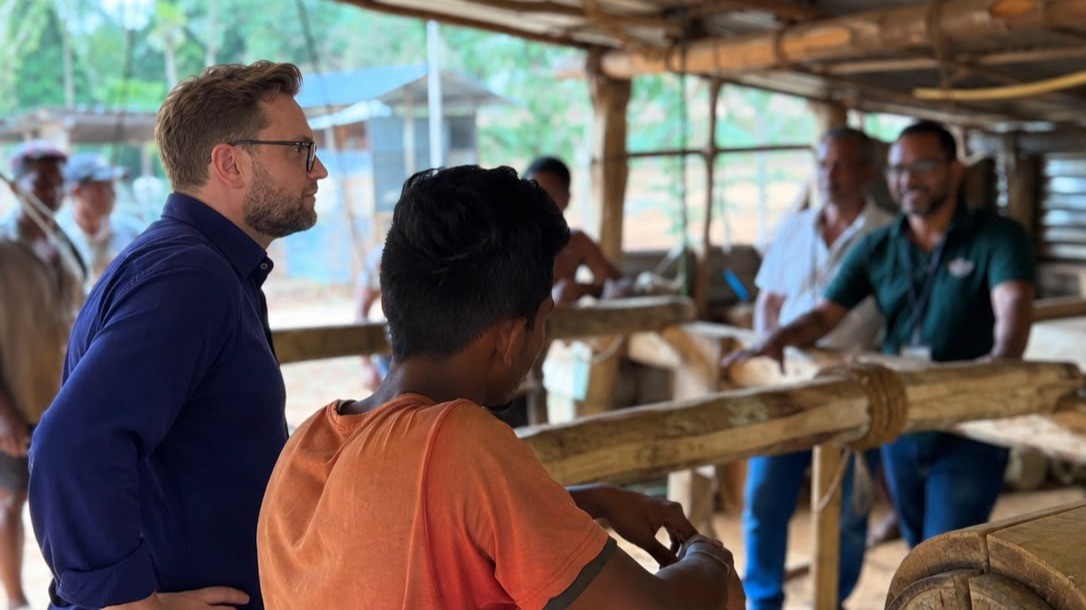
I know, because I have been working on it for over a year now in a collaborative research project with the University of Hamburg and the University of Moratuwa. Coloured-gemstone supply chains are informal, multi-tiered, and rarely documented end to end. Starting 27 September 2026 for jewellery companies dealing with the EU market that shortcut disappears. The EU's Directive (EU) 2024/825 - "Empowering Consumers for the Green Transition," known as EmpCo - amends the Unfair Commercial Practices Directive so that every claim now has to say what it means, right where it's made ( EUR-Lex).
The Part the Gemstone and Jewellery Industry seems to miss
What changes, specifically EmpCo does two things that matter enormously for gemstones, even though it never mentions gemstones once.
First, it creates a short blacklist of claims. A "generic environmental claim" made without recognised excellent environmental performance is banned outright; the Directive's own examples list "environmentally friendly," "green," and "sustainable" by name ( European Commission FAQ). Self-made sustainability badges are banned the same way, unless they sit on a genuine certification scheme (open criteria, developed with stakeholders, monitored by an independent third party, publicly documented).
Secondly, EmpCo doesn't stop at environmental claims. It amends Article 6(1)(b) of EU consumer law so that a product's "environmental or social impact" is now explicitly a main characteristic a trader can be found to have misrepresented. "Ethically sourced," "fair," "no child labour," "safe working conditions" - the social vocabulary of our industry - now sits under the same scrutiny as "green" and "eco-friendly." Fair trade" and "fairly sourced" carry an extra problem: they invoke recognised certification schemes like Fairtrade or Fairmined (such claims without holding a legitimate certificate risk a fine). "Traceable" and "mine-to-market" can be problematic as well. These are absolute claims. "Fully traceable" means every custody transfer is documented, from miner, collection point, cutter, exporter. In much of the coloured-gemstone trade, stones pass through informal dealers and mixed lots before export. One undocumented link, and the word is no longer accurate, it's not a grey area, it's a false statement.
Even "legally mined" and "licensed mine", facts that should be the easiest to defend, have their own set of challenges. If we take the Sri Lankan gemstone sector as an example, a licence is simply what the law already requires of every miner. Presenting it as a special differentiator can itself be misleading under the Directive's ban on dressing up legal minimums as distinctive features. It's only genuinely differentiating where informal, unlicensed mining is common in that specific origin, and that context has to be stated, documented and proofed, not assumed.
What does this mean for the Future of the Coloured-Gemstone Industry?
The industry is being required to finally do the verification work the marketing always implied. "Responsibly sourced" becomes: audited against which standard, by a credible Third Party, with what scope. "Ceylon origin" becomes: determined by an independent gemological laboratory, not asserted by an importer. "Supporting local communities" becomes: a stated percentage, a named programme, a date. That's a harder sentence to write. It's also a sentence that survives scrutiny. What the jewellery and gemstone sector dealing with the EU need to be doing now: going through our own language website, certificates, the traceability record behind every stone and questioning every claim. From 27 September 2026, the new EU rules under EmpCo will apply, without an additional grace period.
What's changed for me, personally, "responsible", "ethically", "fair" aren't only nice adjective anymore. They are claims that have to be backed up by evidence. How is your team approaching this? Genuinely curious where others in the gem and jewellery trade are landing, especially anyone who has already gone through a claims audit ahead of September.